
Keeping Your Child Safe Online
At Rhyddings, we take great care to protect all pupils, staff and stakeholders where matters of e-safety may arise. E-safety is about ensuring that learners can access technology and resources without putting themselves at risk personally or financially. It includes aspects such as cyber bullying, mobile phone technology, preventing identity theft, privacy, use of social networking sites and child protection as a whole. We aim to ensure that pupils, staff and stakeholders know how to keep safe whilst using technology and resources.
Rhyddings has a whole school policy covering the use of all electronic devices that pupils, staff and stakeholders are expected to adhere to. In addition, we have a staff policy for the use of IT that takes in aspects of social networks and the implications of its use on school life. Using the internet responsibly is also a significant part of many lessons. All pupils consider issues relating to e-safety during form tasks and Computing lessons. Aspects covered include cyber-bullying, privacy and safe use of social networks.
At Rhyddings, we have several systems in place to help ensure that pupils are safe and sensible when using electronic devices. Our internet access is filtered and monitored on all devices including computers and mobile devices. Alongside this, e-mails are continually checked and keystrokes are monitored to check resources are being used in an appropriate manner.
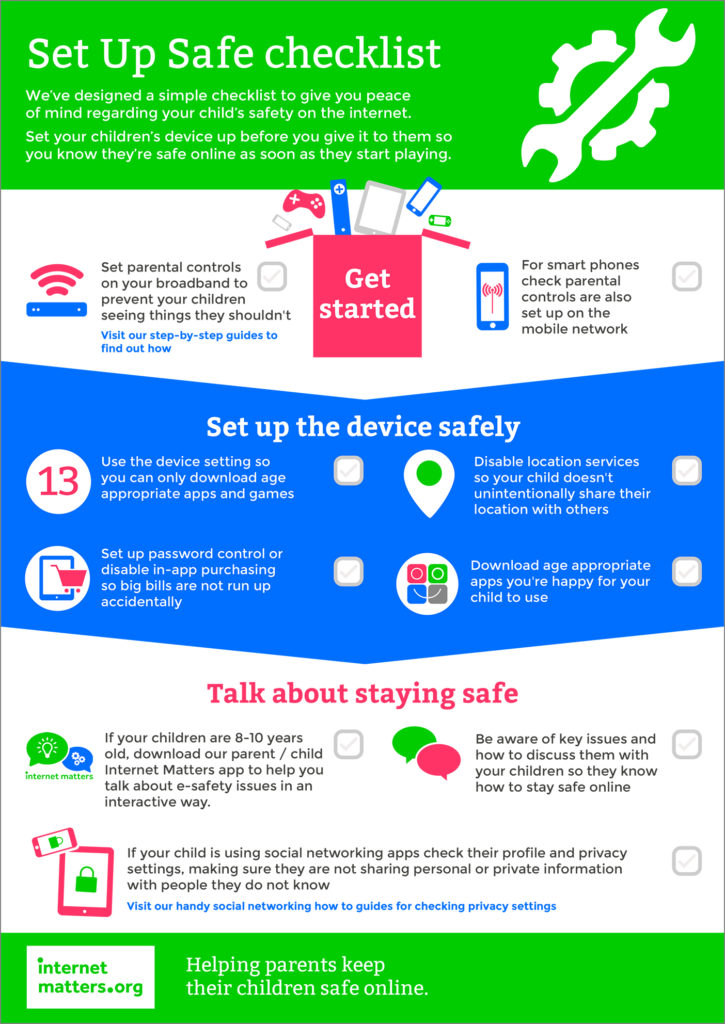
Please check the Internet Matters website for the most current guidance.
At Rhyddings we promote e-safety to all pupils and believe all pupils should have the knowledge and skills to stay safe online.
Technology is rapidly changing therefore it is important as parents you have the knowledge to support your children.
Please click the links for the following key information:
- What are the new apps / age appropriate apps for my child- https://www.internetmatters.org/resources/what-age-can-my-child-start-social-networking/
- What are the different social media sites? https://www.internetmatters.org/parental-controls/social-media/
- What is gaming? Check the gaming hub– https://www.internetmatters.org/resources/online-gaming-advice/
- What are the risks of online grooming? – https://www.internetmatters.org/issues/online-grooming/
- How do I report online abuse? – https://www.internetmatters.org/report-issue/
CEOP
The Child Exploitation and Online Protection (CEOP) Centre is the UK’s national child protection agency (visit www.ceop.police.uk for more information). CEOP believe the start of the new school year is the perfect time to speak to your child about how they use the internet and how they can stay safe online.
Through the ClickCEOP advice and help centre, members of the public can access guidance on a broad range of topics to help protect their children, or alternatively report a concern directly to CEOP.
When should I report to CEOP?
CEOP children stay safe online. Has someone acted inappropriately towards you online, or to a child or young person you know? It may be sexual chat, being asked to do something that makes you feel uncomfortable or someone being insistent on meeting up. You can report it to CEOP below.
What age can my child start social networking?
Social networks are aimed at different age groups and as a parent it is important to know these ages to ensure that your child is not accessing inappropriate content. One of the biggest risks to your child on social networks will be other people who are not always who they say they are and may communicate in ways that are not appropriate.
For more information visit:
